Beyond User Advocacy: How to Advocate for Disabled Users
FREE, 30 min: Register on Maven>>
Beyond User Advocacy: How to Advocate for Disabled Users
You’ll find no mention of it on NNGroup’s website or Interaction Design Foundation’s site. Yet, for years, Jakob Nielsen described himself (in his bio too) as a “User Advocate.” It sounded important and it was. Yet neither Nielsen nor the wider UX field ever mentioned how to do it. I did one session in 2021 on it: User Advocacy- Fighting for the rights of users
User advocacy covers
- How do you advocate for users when stakeholders disagree?
- What user evidence makes advocacy effective?
- When should you challenge, educate, negotiate, or escalate?
Why this topic matters
Designers are encouraged to be user advocates. But that does not transfer to disabled users. This risks exclusion, mismatching the goals of accessibility. Yes, WCAG provides an essential technical baseline. But, compliance alone misses the journey view. Barriers can appear: support, documentation, authentication, physical spaces, org policies, or inaccessible recovery routes. Disability advocacy gives us the tool to improve access work.
Disability shapes access, independence, dignity, risk, rights, and org power.
A disability advocate must know how to:
- Secure paid disabled-user involvement.
- Advocate for involving users with disabilities in ethnography, co-design, and user testing.
- Make research participation accessible.
- Educate reluctant stakeholders.
- Connect barriers with policies and ownership.
- Secure action, accountability, and escalation.
- Adapt their approach to accessibility maturity.
- Identify accessibility barriers across complete journeys.
- Challenge WCAG-only definitions of accessibility
Watch ‘Taking Accessibility wider‘
A disability-first approach starts with people most affected by exclusion. Disabled people help frame the problem, shape the response, and verify the outcome.
What you’ll learn
1 Bring disabled people into the work: Learn how to advocate for meaningful disabled-user involvement throughout research and design.
2 Advocate beyond the interface: Learn how to trace exclusion across touchpoints, journeys, and organisational systems.
3 Turn disability evidence into action: Learn how to challenge assumptions and secure accountable decisions. Move accessibility from tactical to strategic.
About Lightning Talks:
A brief, but deep-dive into a topic, led by Frank Spillers a UX veteran with 25 years in the field, with clients like Nike, Intel, Microsoft, World Bank, City of New York, Mayor of London and more. The sessions provide an orientation to key points on a topic. The sessions are FREE- join the Open Circle for access. Get a paid membership for $49 per month (discounted) or $99 standard for access to 250 video trainings, workshop upskilling, mentoring from Frank Spillers and more. Also see: What kind of people join the UXIC?
| Date: | 03 Sep 2026 |
|---|---|
| Time: | 09:00 am PDT 12:00 pm EDT 05:00 pm BST 06:00 pm CEST |
| Check Your Timezone | |
Who You will Learn From
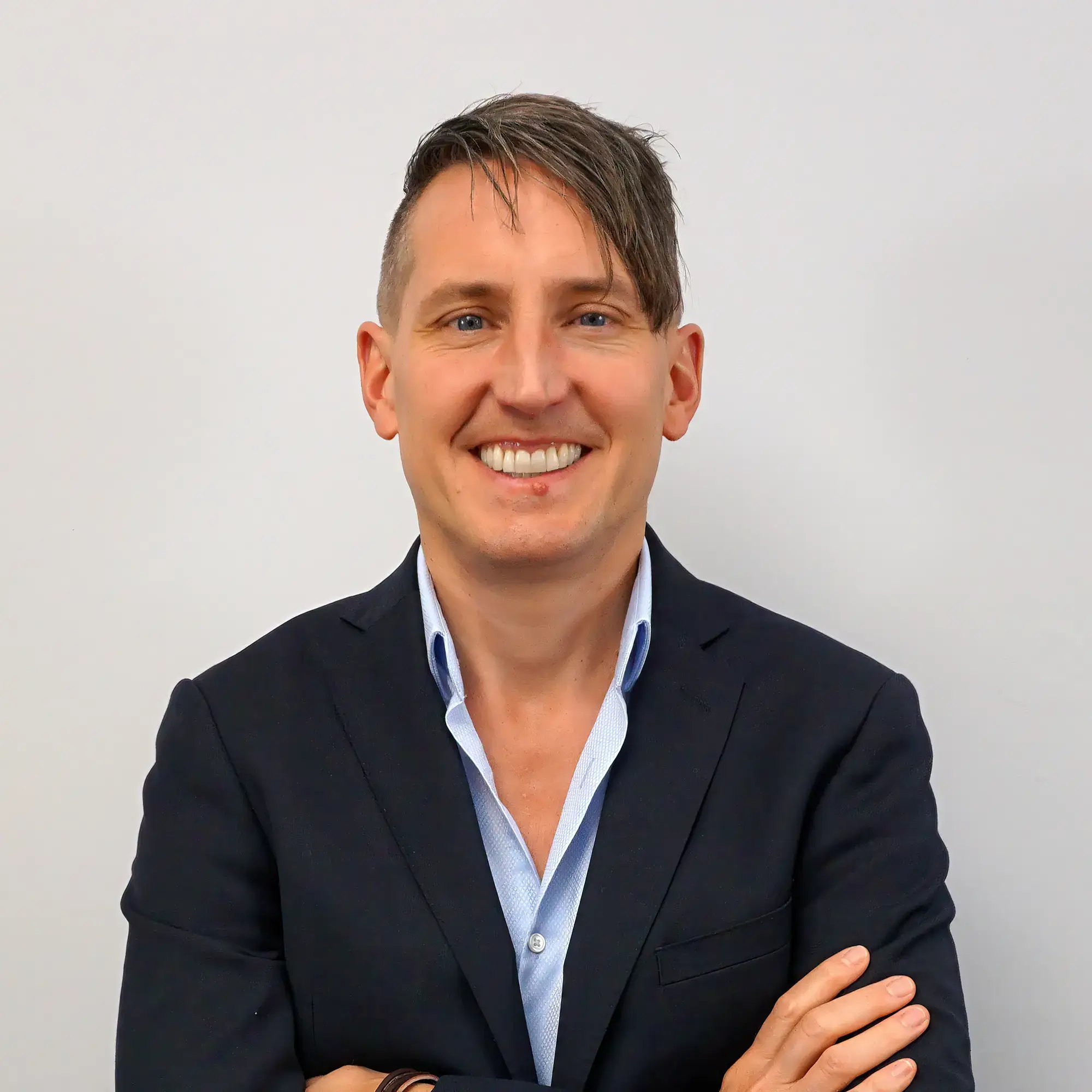
Frank Spillers
Founder - UX Inner Circle
Frank Spillers, MS, founded the UX Inner Circle in 2020 to support senior practitioners facing complex challenges. The community exists to sharpen thinking, increase your confidence, and pressure-test real decisions. It’s built for people doing the work, not just talking about it. Frank founded an award-winning UX and Service Design consultancy (Experience Dynamics) and now leads UX and Service Design at numerous organisations, including the UK Government Digital Service. He has worked with and led teams to deliver hundreds of products and services over several decades. His work spans government, enterprise platforms, nonprofits, and global brands. He brings 25+ years as a senior UX and Service Design leader. His focus areas include Inclusive Design, accessibility, emotion-led design, cross-cultural UX, VR/AR, and UX leadership. His work has directly increased conversion by 88% and revenue by 300% for organizations including Nike, Microsoft, Intel, Capital One, Global Disability Rights Now!, the World Bank, and the City of New York.